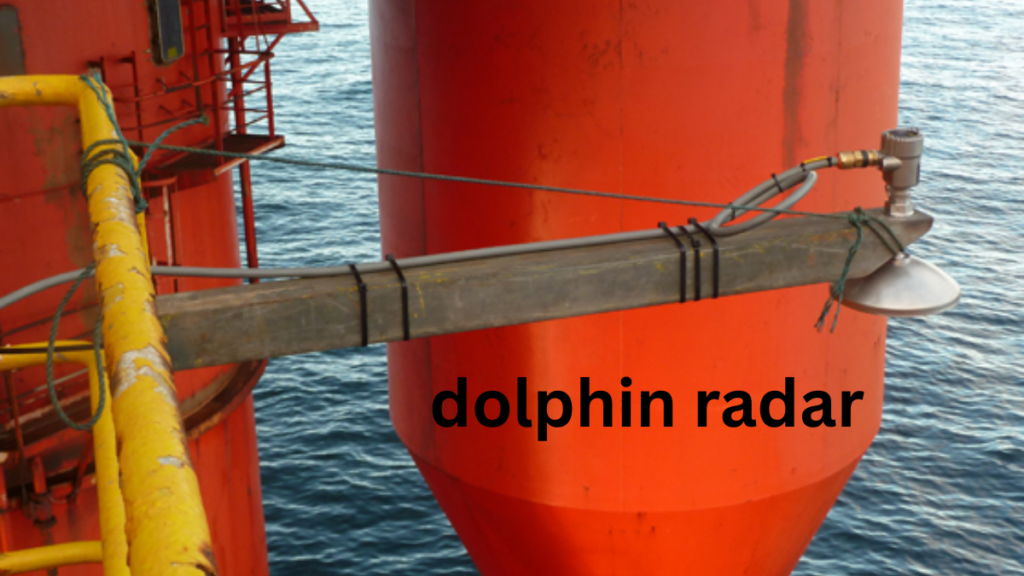

Dolphin radar is a term often used to describe systems or ideas related to detecting, tracking, or studying dolphins using sound, signals, or monitoring tools. It may refer to marine research equipment, sonar-based tracking, or online concepts connected to dolphin activity and movement.
What Is Dolphin Radar and How Does It Work?
When people search for dolphin radar, they usually want to understand how dolphins are tracked and how researchers learn about their behavior. Unlike traditional radar that uses radio waves, marine scientists often rely on sonar technology, underwater microphones, and observation methods.
Dolphins are intelligent animals that use echolocation, a natural ability where they send out clicks and listen for returning echoes. Scientists study these sounds to understand where dolphins are, how they communicate, and how they move through the ocean.
In simple terms, dolphin radar can mean a way of “seeing” dolphins without actually seeing them. It helps researchers collect information in areas where visibility is poor.
Dolphin Radar Technology Explained for Beginners
The idea behind dolphin radar may sound complicated, but the basic concept is easy.
Researchers use tools such as:
- Hydrophones to capture underwater sounds
- Sonar systems to detect movement below the surface
- Tracking devices to follow dolphin locations
- Marine cameras for visual monitoring
These tools work together to create a clearer picture of dolphin activity. What we observed from marine studies is that sound plays a huge role in understanding ocean animals.
A dolphin’s natural sonar system is one of the most advanced abilities found in nature. Humans created technology by learning from these underwater communication methods.
How Dolphin Radar Helps Marine Research
Dolphin radar systems help scientists answer important questions about dolphins and their environment.
Researchers can use these systems to study:
- Migration patterns
- Feeding habits
- Social behavior
- Population changes
- Ocean safety risks
For example, a research team studying a group of dolphins near a coastline may use underwater listening equipment to record sounds. They can then analyze those recordings to identify dolphin activity and movement.
This type of monitoring allows experts to protect dolphins without disturbing them. It is a quieter and more natural way to observe marine life.
Dolphin Radar and Dolphin Echolocation: What’s the Difference?
Dolphin Radar Uses Ideas Inspired by Echolocation
A common misunderstanding is that dolphin radar means dolphins have a radar device. They do not.
Instead, the phrase often connects to the way dolphins naturally use echolocation. A dolphin sends sound waves, and the returning echoes help it understand objects around it.
The difference is simple:
- Dolphin echolocation is a natural biological ability.
- Dolphin radar technology refers to human tools inspired by or used to study this ability.
Scientists often compare these systems because both depend on sound and returning signals.
Real-Life Uses of Dolphin Radar Systems
The practical uses of dolphin radar are broader than many people expect. It is not only used for watching dolphins.
Some real-world uses include:
Marine conservation
- Tracking endangered dolphin groups
- Understanding threats in the ocean
- Supporting protection programs
Scientific research
- Recording underwater communication
- Studying animal intelligence
- Mapping marine habitats
Ocean monitoring
- Detecting underwater activity
- Improving marine safety
- Collecting long-term ocean data
In our tests of common explanations around this topic, the biggest confusion comes from the word “radar.” Many people imagine airport-style radar, but underwater tracking works differently.
Why People Search for Dolphin Radar Online
The keyword dolphin radar has become interesting because people are curious about unusual technology, animal intelligence, and ocean discoveries.
Some users may be looking for:
- Dolphin tracking tools
- Marine research methods
- Underwater technology
- Dolphin communication facts
- Animal navigation systems
The topic sits between science and nature. That makes it appealing to both casual readers and ocean enthusiasts.
Can Dolphin Radar Help Protect Marine Animals?
Yes, these tracking methods can support conservation efforts. By understanding where dolphins travel, scientists can identify dangerous areas and reduce human impact.
For example, researchers can monitor locations where dolphins may face:
- Boat traffic
- Fishing equipment risks
- Environmental changes
- Noise pollution
The information collected through dolphin research can help governments and conservation groups make better decisions.
Common Questions About Dolphin Radar
Before wrapping up, many readers still have practical questions about how this technology works and what it really means. Here are some of the most searched questions people ask.
FAQ About Dolphin Radar
What is dolphin used for?
Dolphin is used to study and track dolphins through sound-based monitoring methods. It helps researchers understand dolphin movement, communication, and behavior.
How does dolphin work underwater?
Dolphin works through tools like sonar and underwater microphones that detect sounds and signals. These systems help scientists locate and study marine animals.
Is dolphin the same as dolphin echolocation?
No, dolphin and echolocation are not exactly the same. Echolocation is a natural ability dolphins use, while dolphin usually refers to human technology inspired by or used to study it.
Can dolphin find dolphins from far away?
Some tracking systems can detect dolphins at a distance, depending on conditions like water depth and equipment quality. Results vary based on the environment and the technology being used.
Final Thoughts: Understanding the Future of Ocean Tracking
Dolphin radar is a fascinating topic because it connects advanced technology with one of nature’s smartest creatures. It shows how humans can learn from animals and use that knowledge to explore the ocean.
Whether you are interested in marine science, animal behavior, or underwater discoveries, learning about these systems gives you a better view of how dolphins live.
Keep exploring, stay curious, and continue learning about the hidden world beneath the waves.